


The rise of the internet, widespread mobile phone use, and the development of mobile money solutions are gradually transforming African consumer habits and causing e-commerce to flourish on the continent.
a magazine dedicated to startups and digital innovations in Africa, recently published a study taking stock of e-commerce, a booming sector in Cameroon.
The study was conducted over two months via the internet, gathering 347 opinions from online shoppers in several cities across the country. Based on key questions, this study highlights the profiles of Cameroonian e-consumers, online shopping trends, and the most successful sales platforms in the country. Key indicators highlight the uses of e-commerce in Cameroon.
Sales generated in the e-commerce sector have continued to grow on the African continent, particularly in Cameroon. The dematerialization of exchanges between consumers and businesses on the internet continues to develop. But what is the reality? What are the major trends in this booming sector that marked 2019?
What is the consumer profile?
Far beyond women, Cameroonians are e-shoppers. In fact, the study estimates that 70% of online shoppers are men, compared to 30% women. Gryotis magazine adds that one of the reasons for this result could be cultural. Traditionally, it is women who go to the market every day, a social and cultural moment that would explain why women feel less need to shop online. Indeed, the study shows that 70.7% of online shoppers who responded are men.
Douala and Yaoundé are the main cities involved in e-commerce. The study shows that on average 90% of the turnover of online sales platforms in Cameroon is generated in these two cities.
Purchasing behavior
But what motivates Cameroonians to prefer the internet for making purchases? In response to this question, the study highlighted four factors:
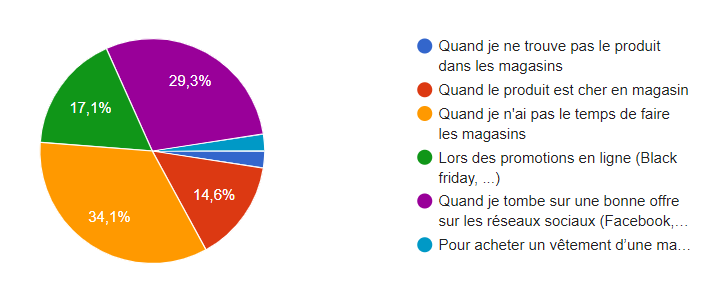
- The first factor is time, as 34.1% of respondents say they shop online when they are unable to go to a store.
- Online shopping is also linked to social media. Social media is a major source of sales and must be taken into account in the strategies developed by e-commerce players.
- Promotions are an important driver of online sales in Cameroon.
- Price is also a factor in the choice. 14.6% of respondents say they make purchases on the internet because the product is cheaper online than in stores.
Finally, according to the study, in 2019, the leading products that generated the most online sales were phones, tablets, and accessories, followed by electronic devices and household appliances. In fact, 36.6% of those surveyed said they had purchased products such as phones, tablets, and accessories online.
The most popular online sales platforms
The top three most visited sites are Jumia in first place, followed by Afrimarket and Kerawa. The ranking is then marked by the presence of new entrants to the market such as Sellam Quick and the Cameroonian classifieds site Toovendi. A few international groups also feature in the rankings, such as Chinese giant Alibaba, Amazon, and Cdiscount.
See also: Afrimalin, Kerawa, and LePortail: classified ad platforms merge
Preferred payment method
Despite the development of mobile money solutions, cash on delivery remains the preferred payment method.
African e-commerce must take into account a large number of specificities unique to the local market, a market still in its infancy that needs to adapt to African realities.
The sector still suffers from a lack of infrastructure and logistics. Many respondents say they prefer cash on delivery because of defective products, products that do not match the order, or because exchange and refund policies are not yet fully developed.
Nevertheless, despite the logistical problems that hinder the development of African e-commerce, around 70% of online shoppers in Cameroon consider delivery times to be "already acceptable, or increasingly respected." This is a very encouraging response for the development of the sector.
Social media, a source of traffic for e-commerce players
The study conducted by Griotys Magazine also highlighted the social media platforms most used by Cameroonians, as they are an important sales lever for e-commerce players.
Unsurprisingly, WhatsApp and Facebook come out on top. Indeed, many Africans now choose WhatsApp over traditional messaging for their private and even professional communications because it is an app that is adapted to the realities of the continent. For local businesses, instant messaging is also a significant source of traffic, particularly thanks to WhatsApp For Business, which is dedicated to small and medium-sized enterprises and used for marketing and commercial purposes.
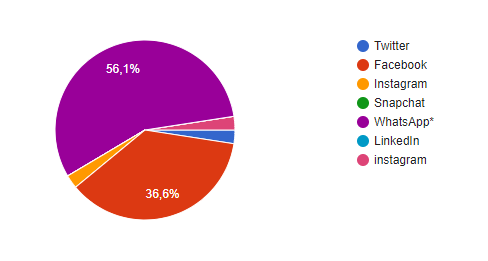
Source: study conducted by Griotys magazine