


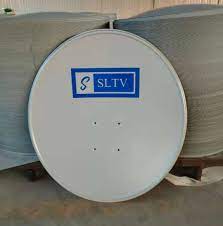
Metro Digital Limited, which has been offering pay TV services in NIGERIA for several years, is now launching satellite pay TV.
The satellite television company SLTV, operated by Metro Digital TV, was launched on March 8, 2024.
Nigerian authorities were present at the launch of the company, whose project they supported and encouraged.
The cost of pay-TV services had become a highly controversial issue in Nigeria, as many voices had recently been raised in opposition to the price increases imposed by the two operators currently present in Nigeria: South Africa's MultiChoice and China's StarTimes.
The new operator, sponsored by the Nigerian government, has announced its goal of providing households with high-end digital television content covering sports, entertainment, and news at affordable prices (starting at $1.60 per month) while delivering the same level of service quality.
The launch of a third operator raises the question of whether increased competition really lowers the cost of pay TV access for consumers.
In television, the proliferation of competing TV offerings does not have the same effect as in the telecoms sector, for example, where costs are marginal once the infrastructure has been amortized.
The most expensive aspect of television is the acquisition of program rights. Increased competition has an inflationary effect on program acquisition costs and operators' budgets: the main beneficiaries of the increase in the number of players in pay TV are rights holders, who can sell their programs at a higher price when several operators are competing to buy them.
To make these increasingly costly investments profitable, operators often have no choice but to raise their rates once they have won a tender allowing them to offer an exclusive service.
Consumers are therefore left with either a low-cost offering that gives them access only to a basic range of channels, or a premium offering that is even more expensive than when there were only two operators.
The situation could be even worse for consumers if rights holders, as they often do, sell their rights in batches. Subscribers would then have to sign up for two or even three offers to access the content they previously had with a single operator. This is particularly evident with streaming platforms, which have multiplied and are beginning to experience significant difficulties.
In summary:
On the operator side, only those who have the means to outbid others for the most important rights (particularly sports rights) and offer high subscription prices will be able to survive and make their investments profitable.
Nigerian consumers will thus face a difficult choice: pay more for the same thing or pay less for less.
However, while the launch of SLTV will not necessarily benefit consumers, contrary to the wishes of the Nigerian authorities, it is possible that, given the size of the Nigerian market of more than 210 million people, three operators could ultimately coexist.