


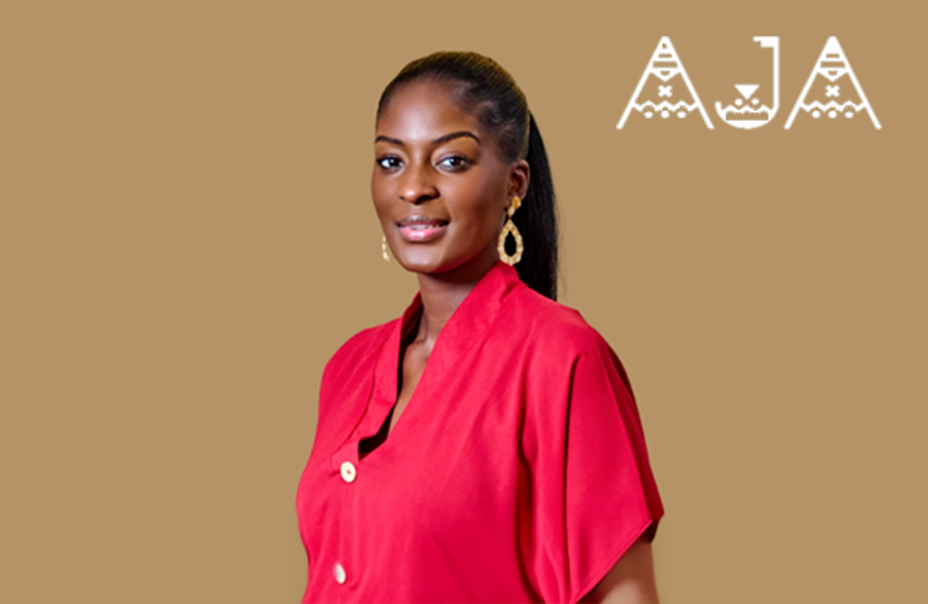
AWK: Diara Ndiaye, you are behind this initiative. Can you explain its objective to us?
DN: Beyond my work as a journalist, I am often approached by young people who need advice, connections, or recommendations. I decided that we needed to create a platform that could really help them. My job is to shine a light on initiatives and people. So the idea is to reward these projects, and to do so in style with our media partners. But beyond this visibility, we want to offer them tailored support.
AWK: How did the call for applications go?
DN: For one month, young people from Africa and the diaspora were able to apply in five categories: Education/Citizenship, Entrepreneurship, Culture/Sports, AI-New Technologies, Environment/Health. They could be entrepreneurs or members of civil society, but they had to propose projects that were already underway and needed a boost. The application phase ended on October 30. The selection committee is currently reviewing the applications to submit the best ones to the final jury.
AWK: Did you receive many applications?
DN: Over 500 in a month, which is huge! There is an interesting diversity among them, even though we had more men than women, unfortunately.
AWK: How did you publicize the call for applications?
DN: To promote the project, we worked with partner vocational training centers and appointed ambassadors in around ten countries. Their role was to source young people, invite them to apply, and represent the platform within their networks. We also relied heavily on word of mouth. And now we are moving into a phase of mass communication, particularly with media outlets such as France Médias Monde, RFI, and France 24. The commercials will start airing next week.
AWK: What are the next steps?
DN: On November 29, in Dakar, we will hold an awards ceremony in front of an audience of guests. Each winner will be accompanied by a mentor who is an expert in the field relevant to their project: fundraising, communication, or other specific needs. This goes beyond a simple award; it is genuine support over the course of a year.
Our goal is to give talented individuals a real opportunity. There is a lot of talent in Africa, but access to opportunities remains difficult. We hope that this initiative will help projects to emerge and inspire other young people.
AWK: Why did you choose Dakar as the location for this event?
DN: It was a logical choice to start with. And of course, we have institutions such as UNESCO and partners such as WIC Capital supporting us, both financially and technically. But Dakar was also symbolic in terms of establishing this first edition.
AWK: Convincing institutions like UNESCO can't be easy, as they are in high demand. How did you manage it?
DN: What appeals to them is the very nature of the project. It aligns with their expectations: a strong theme and concrete support. It's not just an incubator; we offer something personalized. Institutions want to put their expertise at the service of these young people, which goes beyond simple financial sponsorship or visibility.