


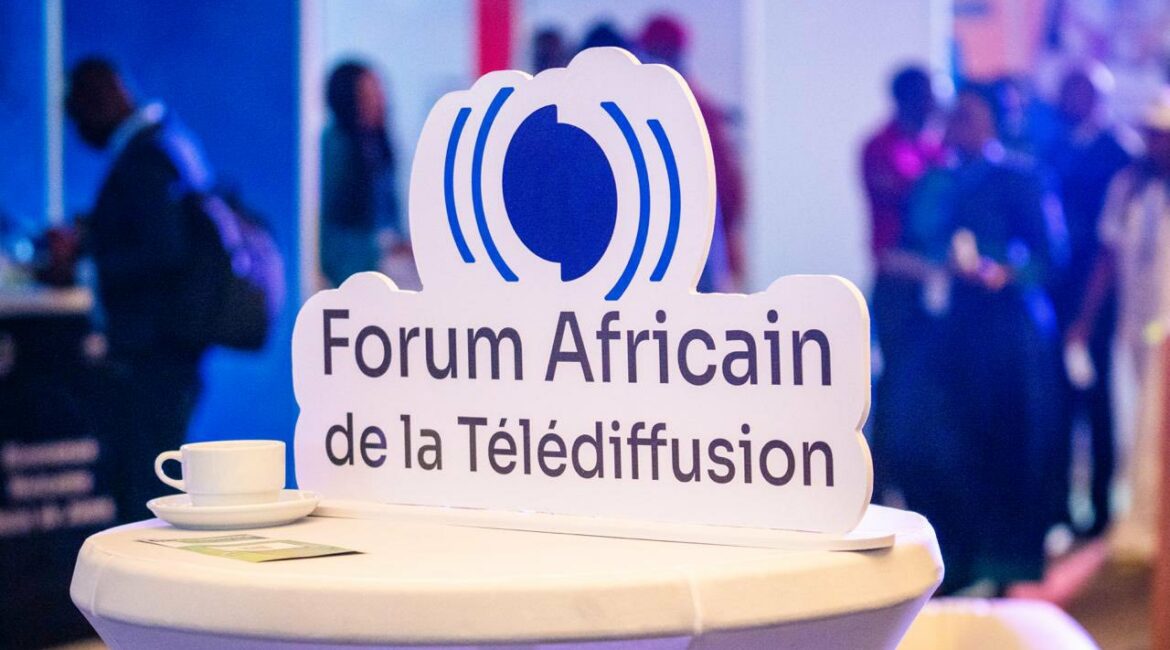
On November 25 and 26, 2025, Dakar hosted the first edition of the African Broadcasting Forum (FAT), a groundbreaking event that aims to become the new benchmark platform for all players in the African audiovisual sector.
Organized by Télédiffusion du Sénégal (TDS-SA), under the auspices of the Ministry of Communication, Telecommunications, and Digital Technology, the forum brought together government delegations, regulators, public and private operators, manufacturers, investors, and experts from across the continent.
Under the theme "DTT, a vehicle for sovereignty and economic and social integration in Africa," this first edition aimed to reposition Digital Terrestrial Television (DTT) as a lever for technological, cultural, and economic sovereignty for African states.
The Forum structured its work around panels, thematic workshops, B2B networking, and the General Assembly of the African Broadcasting Network (RAT). Discussions covered key issues facing the sector: an assessment of the digital transition ten years after the introduction of DTT in Senegal, business models for broadcasting, regulation of bouquets, technological innovation (OTT, IP, VOD, 5G Broadcast), security and governance of critical infrastructure, and strategies for developing local content.
The opening ceremony, presided over by representatives of the Senegalese government alongside leaders from TDS-SA and several African delegations, set the tone: audiovisual media is no longer seen as a mere channel of entertainment, but as a tool for national cohesion, education, cultural influence, and digital sovereignty.
Over the two days, several key messages emerged:
Strengthening audiovisual sovereignty
Broadcasting infrastructure must remain under public or African control in order to secure access to information, guarantee cultural independence, and avoid structural dependence on foreign operators.
Give the sector a new economic lease of life
The transition to digital terrestrial television is a technical success for Senegal, but the financial viability of the broadcasting model remains a crucial issue—particularly with regard to maintenance, network sustainability, and service monetization.
Developing the offering in line with digital uses
Africa must invest and innovate in the face of the rise of OTT platforms, streaming, and video on demand. The challenge is to build a competitive audiovisual offering while capitalizing on local roots.
Accelerate the production of local content
The affirmation of African cultural identities requires support for creative works—fiction, entertainment, news, and educational programs. Broadcasting alone is no longer enough: Africa must also produce.
While the forum demonstrated a dynamic of continental unity, significant operational challenges remain:
- sustainable infrastructure financing;
- coverage of sparsely populated rural areas;
- regulatory transition;
- competitiveness against global digital players.
More formal cooperation between governments, regulators, operators, and private actors has emerged as an essential condition for accelerating the transformation of the sector on a pan-African scale.
At the end of the forum, several priorities were announced, including:
- the preparation of a White Paper on African television broadcasting, intended to serve as a strategic roadmap;
- strengthening the African Broadcasting Network (ABN) to promote the transfer of expertise, the sharing of infrastructure, and the harmonization of standards;
- the desire to make FAT an annual continental event.
By hosting the 2025 African Broadcasting Forum, Dakar has positioned itself as a catalyst for a new continental dynamic. While technological modernization is crucial, the forum's overarching message is clear: the battle for broadcasting in Africa is first and foremost a battle for sovereignty, content, governance, and economic models… provided that commitments are translated into long-term strategies, structural investments, and concrete collaborations.